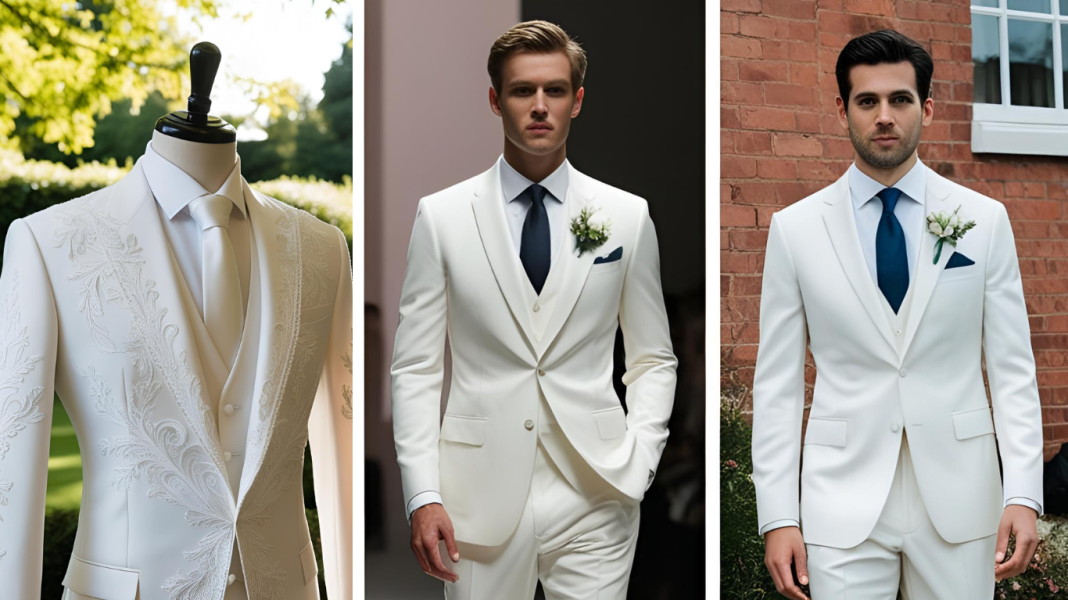

Like brides, grooms should feel and look their best on their wedding day because it’s a celebration of love, commitment, and fresh starts. Although bridal gowns typically receive a lot of attention, men’s wedding dresses have evolved in a similarly dynamic and fashion-driven manner. Whether it’s traditional elegance, ethnic customs, or contemporary flair, grooms today have a plethora of options to fit their personality, culture, and wedding theme.
For generations, traditional tailoring and ethnic wear were the mainstays of men’s wedding attire. The three-piece suit, sometimes known as the tuxedo, has long been associated with refinement in the West. While ancient robes and embroidered garments held particular ceremonial significance in East Asia, the sherwani or bandh gala in India symbolized princely flair. The changes in how men, tradition, and style have been viewed historically, socially, and culturally are reflected in the evolution of men’s wedding attire.
The phrase “wedding dress for men” now refers to much more than just the traditional suit and tie. These days, grooms value originality, inventiveness, and cutting-edge styles when choosing their wedding attire. Men are no longer restricted to black suits and muted colors, with anything from elegant velvet sherwanis with zari embroidery for palatial events to simple linen ensembles for beach weddings. Grooms can now stand out just as much as brides because to the expansion of colors, textiles, shapes, and accessories.
The groom usually wears a tailored suit or tuxedo during a traditional Western wedding. The tuxedo, which is typically worn to evening weddings, has satin accents on the buttons, lapels, and seams of the trousers. It radiates formal elegance when worn with patent leather shoes and a bow tie. Conversely, suits are more adaptable and can be dressed up or down. Although rich hues like emerald, burgundy, and even blush pink are popular these days, the typical colors are navy, charcoal, and grey.
Another classic choice that offers depth and refinement is the three-piece suit, which consists of pants, a jacket, and a matching waistcoat. It becomes a sophisticated display of flair when paired with boutonnieres, cufflinks, and pocket squares. Double-breasted blazers, textured materials (such as jacquard or tweed), and patterned linings provide a subtle yet distinctive touch for guys who wish to add a twist.
Beyond Western attire, several cultures place a high value on traditional male wedding attire. A common option in South Asia is the sherwani, a long, coat-like garment worn over a kurta and churidar. Sherwanis, which are frequently made of silk or brocade and embellished with jewels or embroidery, are worn with traditional shoes called juttis and occasionally with a scarf or hat. A slightly less formal option that combines tradition and sophistication is the bandhgala (Nehru jacket) worn with slacks or dhoti pants.
The thobe, a long white robe, is frequently worn by Middle Eastern grooms together with a keffiyeh (headscarf) and bisht (a flowing outer cloak). Grooms in East Asia occasionally don traditional clothing with strong cultural meaning, such as hanboks (Korea) or changshan (China). These garments frequently feature vivid hues, elaborate needlework, and symbolic designs that stand for wealth, contentment, and longevity.
Men’s wedding dress choices have also been influenced by the rise in destination weddings and themed events. For instance, a beach wedding in Goa could require a light, airy linen dress in gentle pastel colors, along with leather sandals. The groom might be dressed in earthy hues, suspenders, and a wool blazer for a rustic mountain ceremony. In addition to creating a unified visual aesthetic, matching the location makes the groom feel at ease and secure.
Customization is also being embraced by contemporary grooms. The ideal fit and personal touches, such as embroidered initials on the sleeves or narrative lining materials, are possible with tailor-made suits and sherwanis. In addition to stitch patterns, button finishes, and lapel designs, grooms can also select inside pockets that can accommodate a vow message or wedding ring. Custom clothing has sentimental importance in addition to being aesthetically pleasing.
Another important component of the groom’s outfit is his accessories. Think of lapel pins, watches, tie clips, and chic leather shoes for Western styles. Necklaces, beaded malas, brooches, and turbans can all add flair to traditional clothing. It’s important to select accessories that enhance the outfit rather than overpower it. With grooms selecting personalized designs, initials, or sentimental phrases, socks have evolved into a fun and unique way to express themselves.
Presentation and grooming are closely related to fashion. If a well-fitting wedding gown isn’t worn with tidy maintenance, it loses its allure. Fragrances, skincare products, beard trimmings, and haircuts are all crucial. To feel and look their best, many grooms even treat themselves to spa treatments before to the wedding. A pleasing visual theme for wedding pictures can also be produced by matching the bride’s and groom’s styles, but not too closely.
Gender-fluid fashion is one of the newest trends in groomswear. Options that combine feminine and masculine aspects are becoming more and more available from designers and stylists. Examples include androgynous styles, capes, and long flowing kurtas with elaborate embroidery. Men can appreciate fashion that feels genuine and expressive by embracing these styles, which go beyond gender stereotypes. Men are frequently seen wearing pastels, flowery designs, or draped draperies with pride at many contemporary weddings.
Additionally, a groom’s clothing has symbolic and emotional significance. It could stand for the love tale itself, family customs, or cultural legacy. For instance, a groom might choose a color that is indicative of his culture, wear his father’s pocket watch, or utilize the same tailor as his grandfather. The ensemble becomes more than just a fashion statement thanks to these well-considered elements that strengthen the bond between clothing and occasion.
Understanding your personality and sense of style is the first step in selecting the ideal wedding gown for guys. Are you daring and avant-garde or traditional and subtle? Do you like intricate details or simple lines? Do you want to create a modern style or pay homage to your culture? In addition to being stylish, your attire should reflect who you are. Ultimately, the best thing a groom can wear is confidence.
To sum up, men’s wedding dresses nowadays are a fascinating canvas of custom, creativity, and individuality. Grooms have never had greater flexibility to experiment and show off their sense of taste, from custom tuxedos and sophisticated sherwanis to eclectic fusion styles and destination-ready attire. The secret is to wear your attire with genuine delight and sincerity, regardless of whether you’re going for a classic style or a contemporary touch. This is because every beautiful wedding appearance revolves around a man who feels his best.