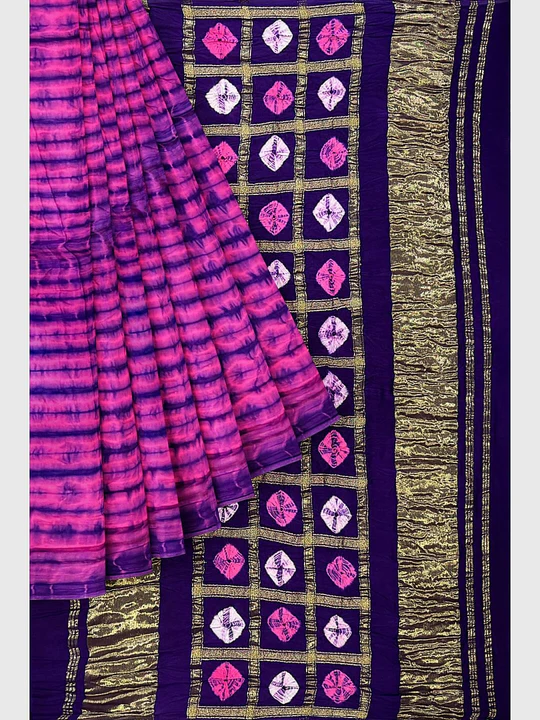

India’s rich textile heritage is brimming with color, culture, and craftsmanship—and Bandhani is one of its most iconic art forms. Often referred to as “tie and dye,” Bandhani is more than just a visual treat. It’s a science of fabric manipulation, color chemistry, and cultural expression that dates back over 5,000 years. Let’s unravel the intricate techniques and timeless charm behind this ancient textile art.
What Is Bandhani?
Bandhani (also spelled Bandhej) originates from the Sanskrit word Bandh, meaning “to tie.” Practiced predominantly in Gujarat and Rajasthan, this age-old technique involves plucking the cloth with fingernails into many tiny bindings, which are then tied with thread. These tied portions resist dye, resulting in beautiful patterns once the fabric is dyed and untied.
The Art Meets Science
While Bandhani looks artistic, its execution is highly scientific. Here’s a glimpse into the process:
- Fabric Selection
The base fabric plays a crucial role. Lightweight materials like cotton, silk, and georgette are ideal because they absorb dye well and can be tightly tied. The fabric must be washed to remove any starch or oil so the dye penetrates evenly.
- Tying Techniques
This is where the science of pressure and resistance comes in. The tighter the knot, the more resistant it is to dye. Artisans use fingernails or small tools to create tiny raised dots, which are tied with thread. These knots act as resist points, blocking the dye from reaching those areas. The patterns—be it dots, waves, or squares—are pre-planned, requiring precision and spatial awareness.
- Dyeing Process
Here comes the color chemistry. The fabric is dipped into natural or synthetic dyes, often in stages if multiple colors are used. The sequence of dyeing (lightest to darkest) matters. Each color bath interacts with the previous one, and temperature control is crucial for dye bonding. Natural dyes like indigo, turmeric, and madder root offer rich, earthy hues, while modern Bandhani may use AZO-free synthetic dyes for color fastness.
- Drying and Untying
After dyeing, the fabric is sun-dried. Once dry, the threads are carefully untied to reveal the designs. This moment is nothing short of magic—vibrant patterns emerge, each one unique and telling a story of careful craftsmanship and chemistry.
Cultural Significance
Bandhani isn’t just fabric; it’s tradition woven into threads. Worn during weddings, festivals, and rituals, Bandhani carries symbolic meanings. Different patterns and colors often indicate marital status, regional identity, or auspicious occasions.
Preserving the Legacy
Modern fashion has embraced Bandhani on a global scale. Designers blend traditional techniques with contemporary cuts, keeping the heritage alive. Yet, the craft faces challenges due to fast fashion and machine-made imitations. Supporting local artisans and buying authentic Bandhani helps preserve this incredible textile science.
Final Threads
Bandhani is a perfect example of where tradition meets technique. Behind every Bandhani dupatta or saree is a blend of geometry, chemistry, and cultural wisdom passed through generations. So the next time you see those dotted patterns on fabric, remember—you’re not just looking at a print, you’re witnessing the science of tie-dye in its most intricate and beautiful form.